WeeBreathe
Fifty to eighty percent of children with asthma develop symptoms before their fifth birthday. Current market devices are vulnerable to breakage, difficult to administer, and deliver inconsistent dosages. WeeBreathe is a nebulizer for children 5 and under that provides a reliable, effective medication delivery system that is both parent and child-friendly. Integrated technology gives parent and provider feedback to help customize the child’s care plan as they grow.
Product Type
Medication Delivery Device
Primary User
Caregiver
Project Snapshots
-
![]()
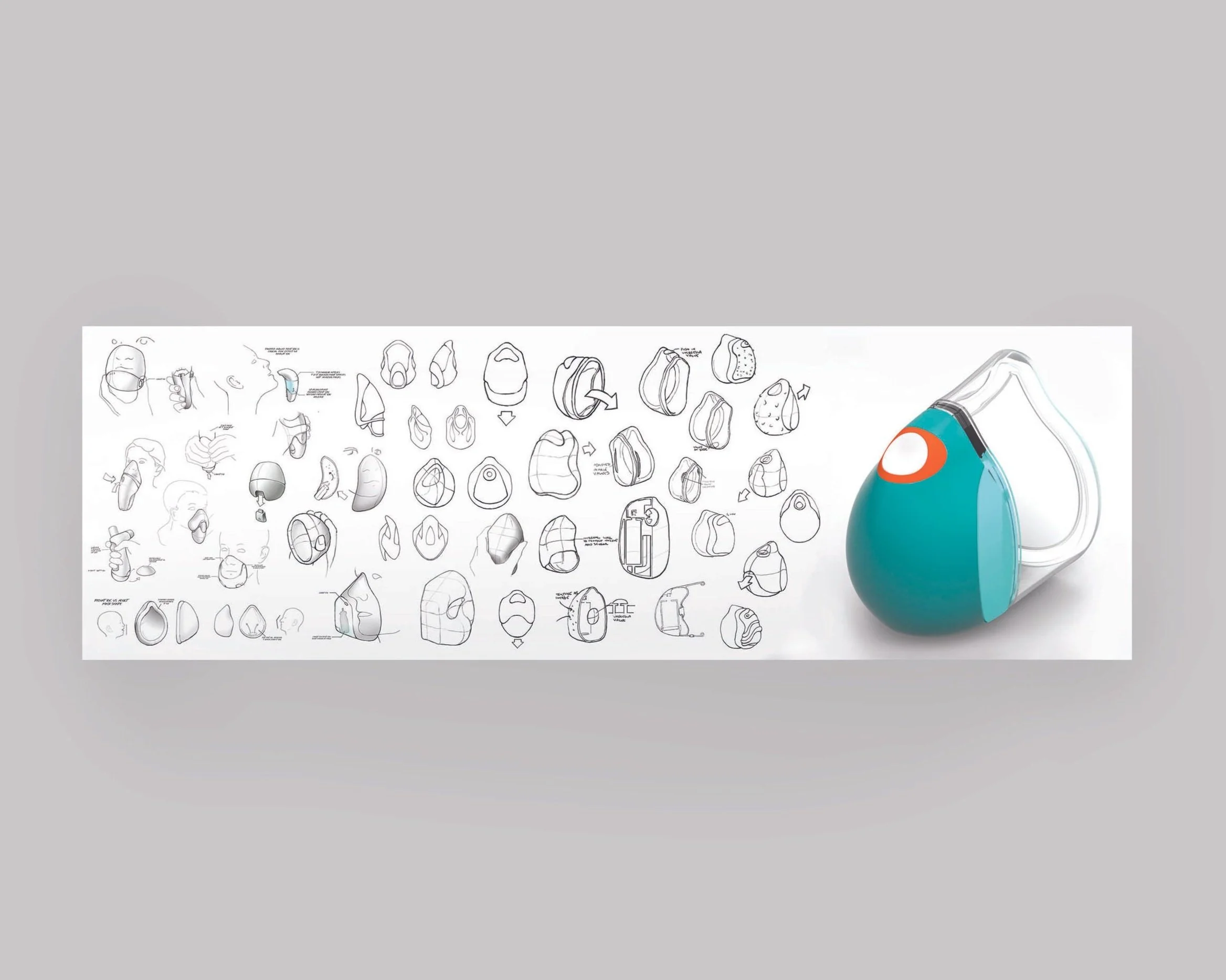
Development Sketches & Final Design
-
![]()
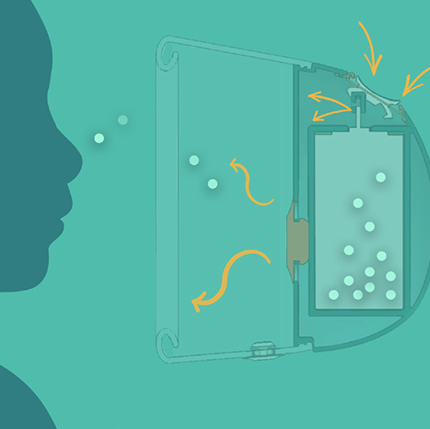
Functional Sketch
-
![]()
Exploded View
-
![]()
Side View Final Design
-
![]()
User Testing
Non-medicated device tested for functionality with 2 year old subject and caregiver.
-
![]()
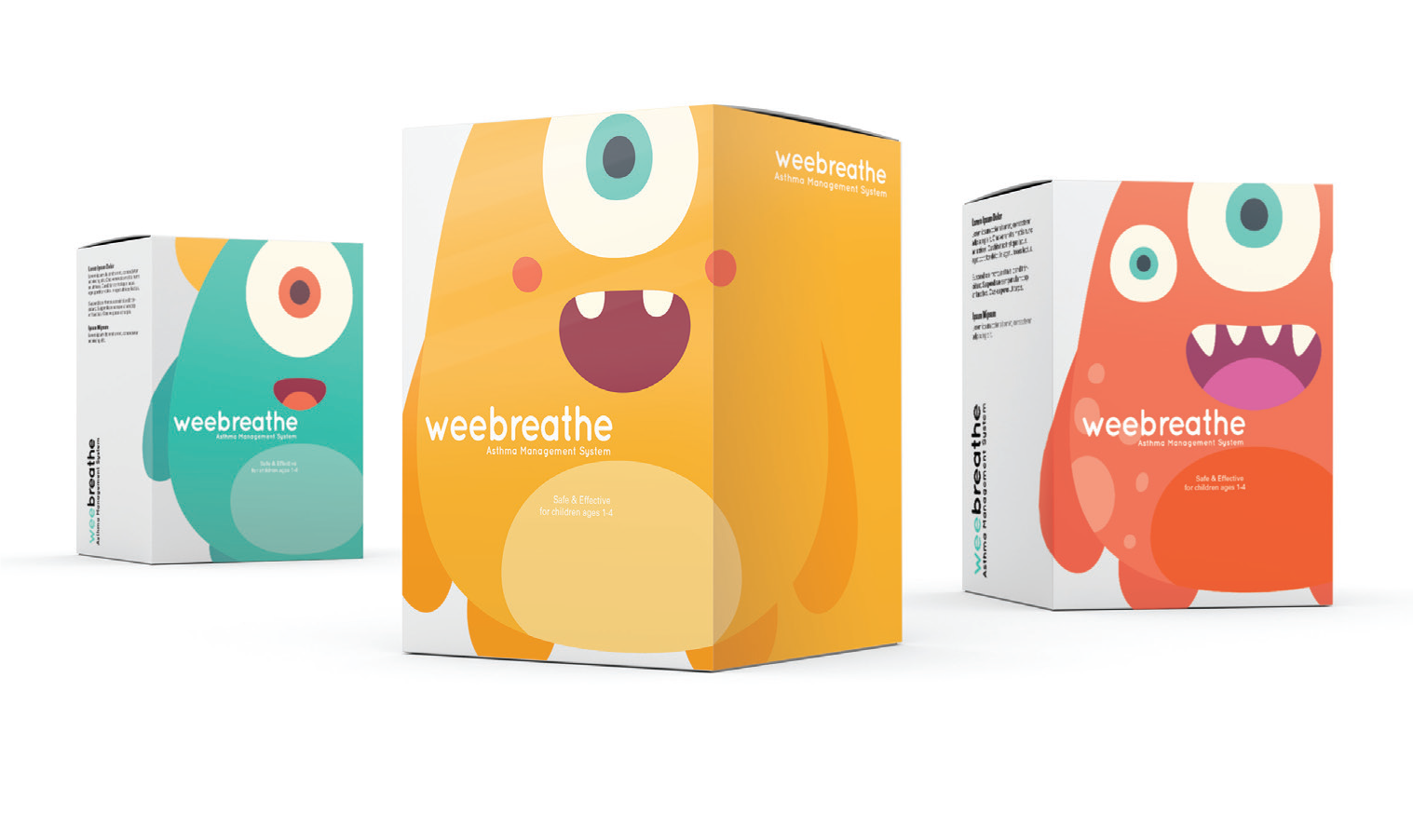
Branding
-
![]()
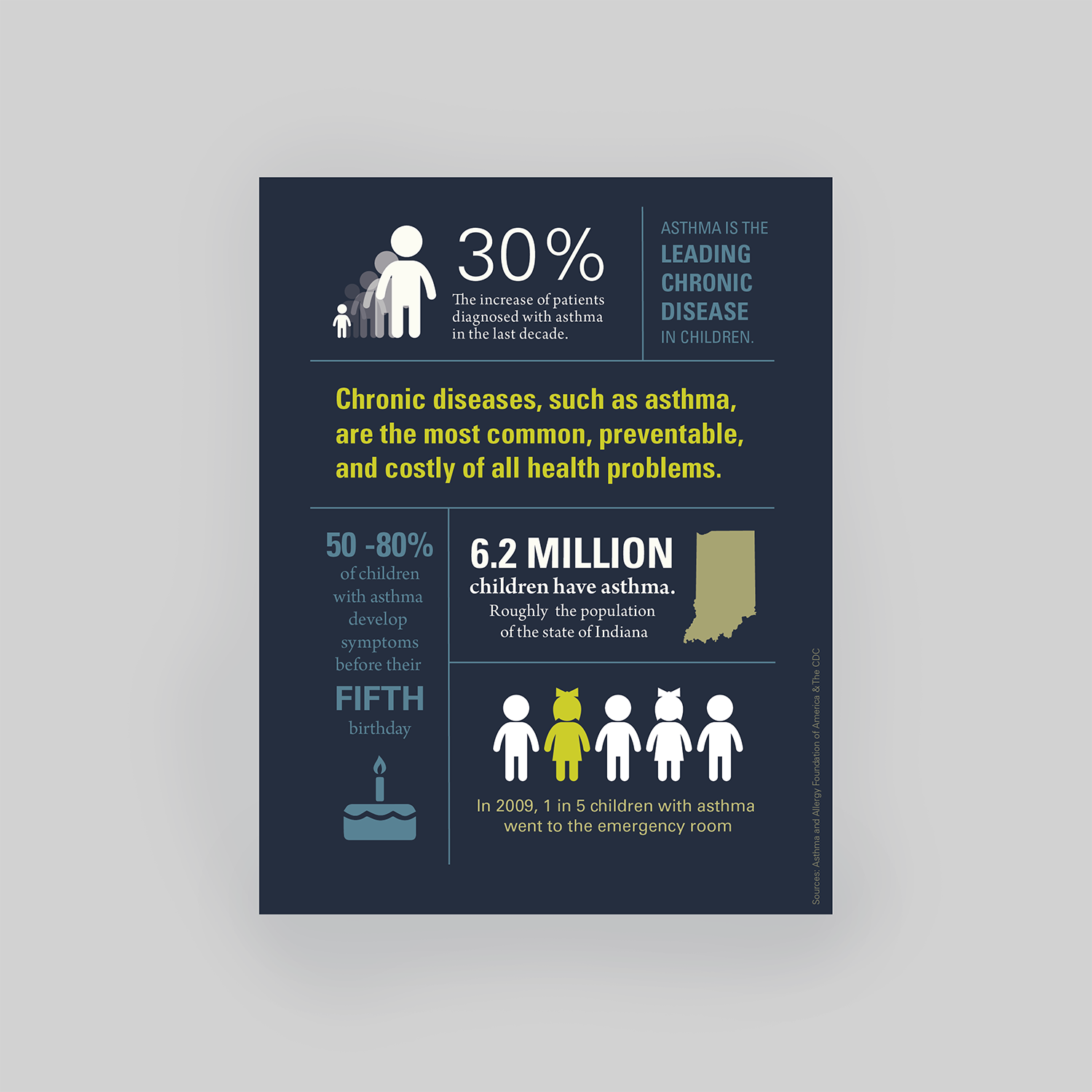
Quick Facts Graphic
-
![]()
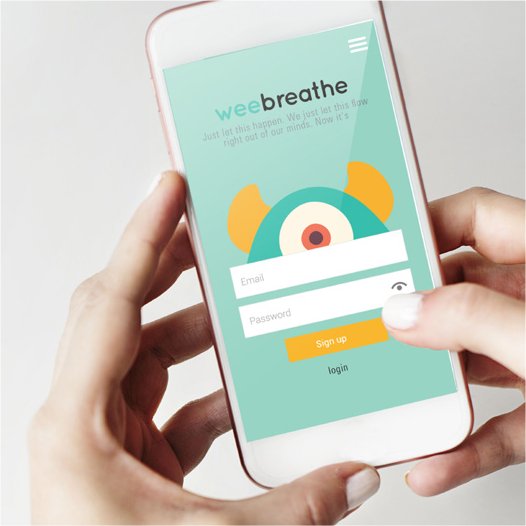
Mobile Interface


Project Overview
-
Proper management of childhood asthma has an immediate and life-long impact on a child’s health and quality of life. As the most common reason for a child to be hospitalized, asthma is accountable for a large portion of avoidable emergency room visits. Fifty to eighty percent of children with asthma develop symptoms before their fifth birthday.
-
Asthma in early childhood is frequently underdiagnosed, as symptoms are similar to other common childhood illnesses, and patients may not be able to adequately describe symptoms. When inhaled steroids are prescribed, caution is needed to avoid giving children inappropriately prolonged medication.
Improved medication delivery and integrated technology provide immediate and long-term positive health outcomes. This may include preventing disruptions from daily activities such as sleep, play, and school. Research indicates this methodology may also reduce the number of preventable emergency room visits and life-threatening asthma attacks. -
Competitive devices are vulnerable to breakage, loss of medication during use, require grip strength, and are difficult to apply single handedly. By creating a durable, single-handed use device, a parent or caregiver can more confidently and reliably deliver appropriate medication dosages. Integrated technology to track dose amounts, frequency of delivery, and environmental conditions gives caregivers tools to evaluate care plans as the child grows.
Design goals included facilitating access to preventative care, providing simple methods for self-care, improving understanding of condition, and reducing cost. A compact size for ease of transportation and improved ergonomics for single handed medication delivery were priorities. The product also needed to meet goals of learn-ability, durability, and sanitation. -
The Design Language System for this project needed to appeal to two groups–the parent and the toddler. Form development strived to invoke a welcoming and accessible physicality, inferring function through form, while retaining ideas of balance, comfort, and safety. This was done by leveraging symmetry, softened geometric and organic forms. A bright, playful color palette allowed opportunities for brand identity and product differentiation.
Functionally, the final product needed to contain a standard medication canister, enclose the nose and mouth of the user, incorporate a holding chamber and report usage to a care giver.
Design Requirements:
A) Collect date/time stamps for each device use
B) Efficient medication delivery (minimize loss)
C) Handheld, single-handed activation by adult, two handed activation by child aged 4-5 years
D) Collection of environmental conditions
E) Alerts to potential environmental triggers